Clary and Fueredi

to promote, restore and maintain dental health in the people we serve

  • 4413 Outer Drive
    Naples FL 34112
  • (239) 206-8051
appointment-request patient-forms testimonials
youtube google plus

prosthodontist

Foods That Can Harm Enamel

September 14th, 2012

Many people who are careful about brushing and flossing their teeth wonder how they still end up with cavities or tooth decay. Several factors affect wear and tear on tooth enamel. Diet is a major factor, with certain foods increasing the likelihood that your enamel will become discolored or decayed. Pay close attention to the foods you eat to keep your pearly whites looking healthy and clean.

What Causes Enamel Damage?

Tooth enamel refers to the hard, semi-translucent, whitish part of the tooth that shows above your gums. The enamel is primarily composed of minerals that are strong but susceptible to highly acidic foods. When acid reacts with the minerals in enamel, tooth decay results. Strongly pigmented foods can also damage enamel by discoloring the surface of the tooth.

Foods that Harm Enamel

Acidic foods are the greatest source of enamel damage. To determine whether a food is acidic, look up its pH. Scientists use pH, on a one-to-seven scale, to define the relative acidity or alkalinity of a substance. Foods with low pH levels, between a one and three, are high in acidity and may damage your enamel. Foods with high pH levels, such as a six or seven, are far less likely to cause enamel harm.

So which foods should you avoid? Many fruits are high in acidity, including lemons, grapefruit, strawberries, grapes, and apples. The high sugar and acid content in soda makes it another huge contributor to enamel decay. Moderately acidic foods include pineapple, oranges, tomatoes, cottage cheese, maple syrup, yogurt, raisins, pickles, and honey. The foods that are least likely to cause enamel damage include milk, most cheeses, eggs, and water.

Beverages such as red wine and coffee also damage the enamel by discoloring it. Although stains do not necessarily undermine the integrity of your teeth, they can be unsightly.

What Can I Do to Prevent Enamel Damage?

Fortunately, there are several measures you can take to prevent your enamel from discoloring or decaying. The easiest way to avoid decay is to steer clear of high-acidity foods. This may not always be possible, but eliminating sugary fruit juices and soda from your diet is a good start. Brushing your teeth after each meal and flossing frequently also preserves your enamel. Another good idea is to rinse your mouth with water or mouthwash after eating to wash away high-acidity particles.

Although enamel damage is common, it does not have to be an inevitable occurrence. Knowing the foods that harm your teeth gives you the tools to prevent discoloration and decay. With some easy preventive measures, your teeth will stay strong and white for years to come.

The Truth Behind Six Popular Dental Myths

September 7th, 2012

Myths about oral health and general dental care abound! These myths are passed on by word of mouth and are presented as being factual, though they are typically inaccurate. There are dangers associated with dental misconceptions. By believing in these dental myths, you are placing your oral health at risk and you may not be receiving proper dental care. Find the answers behind many popular dental myths!

Myth: It is not important for young children to care for their baby teeth.

Fact: Although baby teeth are not permanent, long-term problems with permanent teeth can develop if baby teeth are not properly cared for. The malpositioning of permanent teeth, misalignment issues, and early orthodontic treatment are just a few of the concerns related to losing baby teeth too early as a result of tooth decay. It is crucial that children learn the basics of proper oral hygiene at an early age. Doing so will help them form permanent habits that are essential for oral health.

Myth: If you are not having problems with your teeth, seeing a dentist is not necessary.

Fact: Most dental issues are not evident in the early stages. It is only when they have progressed further that you start to notice there is a problem. In most cases, only a dentist can detect when there is a problem. Scheduling an appointment in our office twice a year for regular cleanings and exams is a vital component to your dental health. In this way, dental problems can be treated early before they become a serious concern and require a more advanced form of treatment.

Myth: You should avoid brushing and flossing if your gums are bleeding.

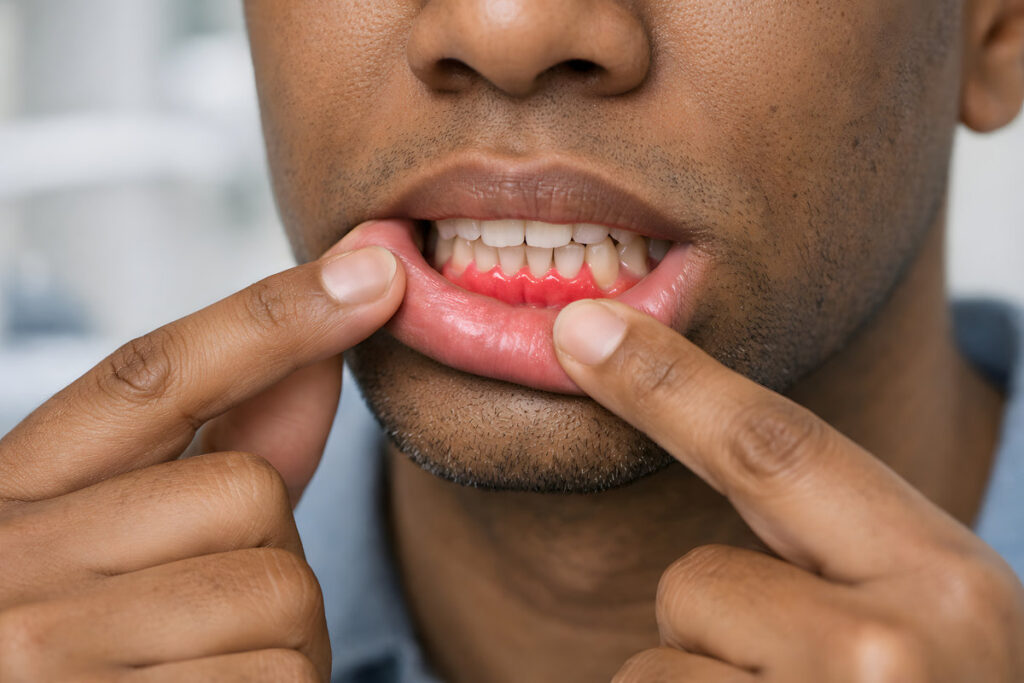
Fact: If your gums are bleeding, it is usually a warning sign of gum disease or gingivitis. You should continue to brush and floss your teeth gently during this time since poor oral hygiene is a primary cause of bleeding gums. If the bleeding worsens or continues to be a problem, contact our office to schedule an appointment.

Myth: Chewing sugar-free gum is a good substitute for brushing your teeth.

Fact: Although chewing sugar-free gum offers the benefits of freshening your breath and minor teeth cleaning between meals, it should not be considered a substitute for brushing and flossing. Dental plaque and food particles can only be thoroughly removed by brushing and flossing.

Myth: Cavities are only a concern when you are a child.

Fact: Cavities can develop at any age. There are many situations and conditions that place both adults and elders at risk for the development of cavities. As an adult, you are more prone to developing receding gums, which can quickly result in tooth decay. Many adults and elders also take prescription medications that cause dry mouth. This can cause tooth decay as there is an insufficient amount of saliva within the mouth to wash away bacteria and neutralize acids.

Myth: Once you treat a decayed tooth, it will not become decayed again.

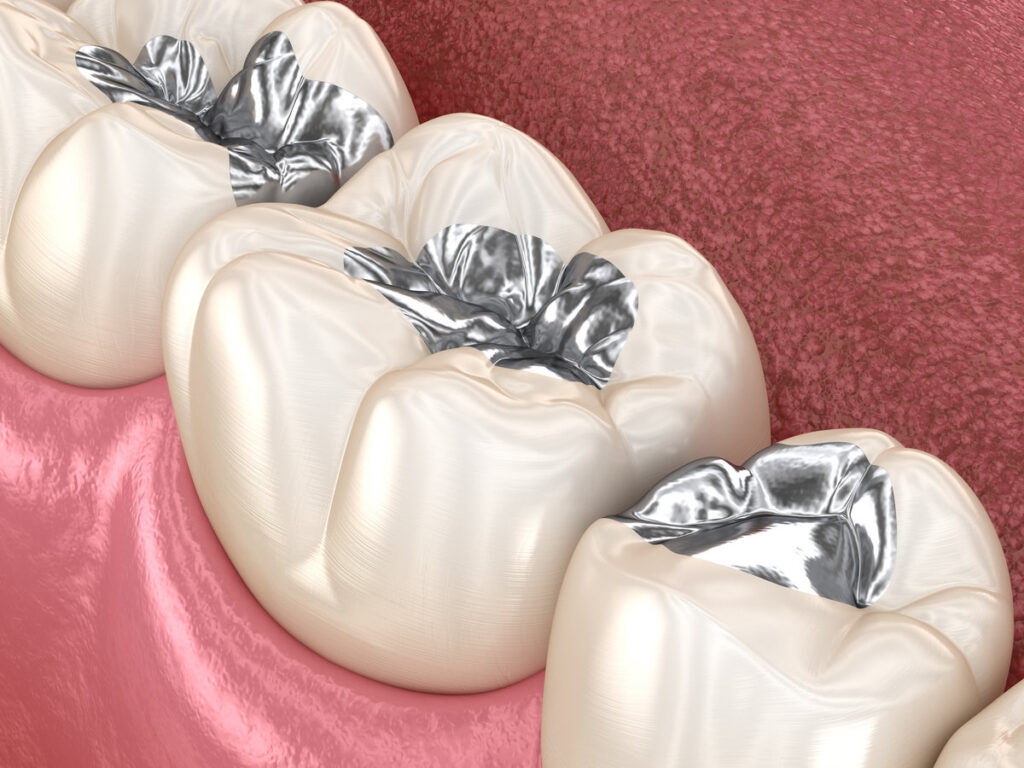
Fact: It is possible for other areas of the tooth to become decayed; although proper brushing and flossing will prevent the treated area of the tooth from becoming decayed again. If a filling gets old and begins to break down, there is a possibility that bacteria can become trapped inside and cause tooth decay.

If you ever have any questions related to oral health or dental treatment, just let us know! We're happy to debunk any additional myths you encounter.

A Healthy Mouth Starts With What You Eat

August 24th, 2012

Most people know that visiting the dentist is an essential part of caring for their teeth. Regular checkups and cleanings are, of course, very important. But what some people don't realize is that good dental hygiene starts long before you get to the dentist's office. You may be saying, "I know, it starts with my toothbrush and floss." But actually, oral health begins even before that. A healthy smile starts at your grocery store.

Dental checkups can detect problems early on and address them, but only good nutrition can give your teeth and gums the healthy foundation they need. If your diet is rich in tooth-friendly nutrients, you will be less prone to gum disease, tooth decay, and even jawbone loss.

So, which nutrients are the most important? Here are a few tooth-building superstars.

Calcium:
We all know that calcium builds strong bones and teeth. Most expectant mothers are even aware that the calcium-rich foods they eat during pregnancy will ensure that their babies develop strong, healthy teeth later on. But did you know that calcium is important to your teeth long into adulthood?

On its "Milk Matters" page, the National Institutes of Health tells us that calcium can protect teeth against decay. Furthermore, a 2001 study published by the US National Library of Medicine found that elderly people who had adequate amounts of calcium in their diets were more likely to retain their teeth as they aged.

Good sources of calcium include yogurt, cheeses, milk, and leafy green vegetables. If you can't get an enough calcium from your diet alone, talk to your doctor about adding a calcium supplement.

Vitamin D:
Vitamin D is sometimes called the sunshine vitamin because your skin can synthesize it during exposure to sunlight. Vitamin D could also be called the healthy smile vitamin. It not only helps your teeth, but it also keeps your gums healthy. Another study published by the National Library of Medicine has shown a connection between low levels of dietary vitamin D and gingivitis. People in the study who had more of the vitamin in their diets had healthier gums.

While most of us get plenty of vitamin D from sun exposure, people who live farther from the equator may need to take a supplement during the winter months.

Vitamin C:
Long ago, British sailors were called "Limeys" because their superiors made them eat limes on long ocean voyages. Why? Because limes are rich in vitamin C and without it, the sailors got scurvy and often lost their teeth. While there's little danger of developing scurvy today, a study in the year 2000 of people who ranged in age from 20 to 90, showed that vitamin C is still necessary for healthy gums. People in the study who had the lowest dietary intake of this essential vitamin were at the highest risk of gum disease.

Vitamin C is perhaps the easiest of vitamins to get from your diet. Rich sources include strawberries, apricots, oranges, lemons and, of course, limes. Red and yellow peppers also have lots of vitamin C, as do tomatoes and brussel sprouts.
Never put off regular dental checkups and cleanings, but in between appointments, watch your diet. Making sure these essential nutrients are a part of your daily intake will ensure that your teeth and gums are as healthy as they can be.

What is Gingivitis?

August 3rd, 2012

Gingivitis is a type of periodontal disease in which only your gums are affected. Gingivitis, according to the American Dental Association (ADA), is a milder and often reversible type of periodontal disease. However, it can lead to periodontitis -- a more destructive and serious disease -- if proper professional treatment and home care aren't put into place. No tissue damage or irreversible bone damage is present in the gingivitis stage of periodontal disease.

Many people with gingivitis won't experience any discomfort, particularly in its early stage. However, as the bacteria in plaque builds up, it can cause your gums to become inflamed, which may make them red and swollen. You may also experience blood when brushing your teeth, indicates the American Academy of Periodontology.

Causes of Gingivitis

The most common cause of gingivitis occurs when plaque builds up due to inadequate oral hygiene.

Other less common causes of gingivitis include:
• diabetes
• aging
• smoking
• improper nutrition
• hormonal fluctuation
• stress
• pregnancy
• substance abuse
• certain medications
• genetic predisposition

Up to 30 percent of people in the United States may be susceptible genetically to gum disease or are six times more prone to developing gum disease, according to the American Academy of Periodontology. Therefore, if one of your family members has gum disease, it may indicate that you have a higher risk of developing the condition as well. If you are one of these people who are more susceptible to developing gum disease, your dentist may recommend more frequent cleanings, check-ups, cleanings, and treatments.

Implications of Gingivitis
If gingivitis is left untreated, it can progress to periodontitis. In periodontitis, the bone and inside layer of your gum pulls away from your teeth, allowing small pockets to form. These small pockets are danger zones because they allow bacteria to collect, and can they can then become infected. As periodontitis progresses, these pockets deepen, resulting in even more bone loss and gum tissue damage. Eventually, teeth that were once anchored in place become loose. Tooth loss often follows.

Treatment of Gingivitis
In practically all cases, gingivitis can be reversed, according to the Cleveland Clinic. Treatment includes proper control of plaque, which consists of having a professional teeth cleaning, at least two times a year. It also includes daily teeth brushing, which will eliminate plaque from the surfaces of your teeth. You should also floss daily to remove plaque and food particles from in between your teeth.

Lifestyle and health changes may help decrease the risk of developing gingivitis or reduce its severity or progression. These lifestyle changes include stopping smoking, decreasing your stress, eating a well-balanced diet, and avoiding grinding and clenching of your teeth.

Does Oral Health Affect Your Heart?

July 26th, 2012

Brushing your teeth every day keeps them cleaner, improves your breath, and reduces plaque buildup. But did you know that there may be a connection between your dental health and chronic illness? Some scientific evidence suggests that poor dental health may be linked to cardiovascular disease. Although more research is needed to explore this association, it provides yet another reason to brush your teeth twice per day, floss daily, and visit your dentist regularly.

Over 2,400 people die from cardiovascular disease each day, making it an immense public health problem. Cardiovascular disease occurs when arteries become harder, making it more difficult for blood to easily pass through your circulatory system. Plaques also build up in your blood vessels, further restricting blood flow. Periodontal disease, also known as gum disease, affects nearly 75% of the U.S. population, according to the American Academy of Periodontology. It is a chronic inflammatory condition that can cause bone and gum tissue to deteriorate, causing bad breath, swollen or bleeding gums, sensitive teeth, and loose teeth.

If periodontal disease affects your teeth and cardiovascular disease affects your heart, what’s the connection between the two? Scientists have known for years that the two conditions share several risk factors. Increasing age, cigarette smoking, and type 2 diabetes increase your risk of developing both periodontal disease and cardiovascular disease. None of these risk factors, however, explain the causal mechanism connecting the two conditions.

According to a 2009 review article by the editors of the American Journal of Cardiology and the Journal of Periodontology, one possible explanation is inflammation. Moderate to severe periodontal disease triggers chronic systemic inflammation, affecting not only your mouth but also your circulatory system, leading to cardiovascular disease. Another hypothesis is that bacteria from your mouth can cause heart disease. People with periodontal disease have billions of bacteria and other microorganisms teeming in their mouths. Chewing food and brushing your teeth release these bacteria into the bloodstream. The Harvard Heart Letter reports that the types of bacteria that cause periodontitis have been associated with plaque buildup in your arteries.

Not all scientific findings have shown a relationship between the two conditions. In April 2012, the American Heart Association published a scientific statement in the journal Circulation denying that gum disease causes heart attacks or stroke. The American Dental Association’s Council on Scientific Affairs and the World Heart Federation also endorsed the statement, agreeing that there is no conclusive evidence that the conditions are related. More scientific research needs to be performed to determine the exact relationship between periodontal disease and cardiovascular disease.

Although the scientific evidence has been mixed, periodontal disease can be very harmful to your health even if it does not lead to cardiovascular disease. It is important to reduce your risk of gum disease by careful tooth brushing, frequent flossing, and regular trips to the dentist.

What, exactly, is a root canal?

July 19th, 2012

Our team knows one thing no patient likes hearing when visiting our office is “root canal.” But what, exactly, is a root canal, and when might you need one?

A root canal is a treatment uses to repair and save a tooth that is infected or badly decayed to the point where the nerve is involved. In the past, if a patient had a tooth with a diseased nerve, dentists in most cases would recommend an extraction. Today, however, with a procedure called root canal therapy, available at our office, you may save that tooth—and your beautiful smile—after all!

Here are some symptoms that indicate a decayed or infected tooth, courtesy of WebMD:
• Severe toothache pain upon chewing, biting or application of pressure
• One tooth consistently more sensitive to hot or cold than other teeth
• Pain that hurts without any stimulus, keeps you awake or wakes you up at night
• A tooth that feels loose
• Discoloration (a darkening) of the tooth
• Pain that persists weeks following a filling or replacement of a filling
• Chronic pain and/or pressure that may extend to the ear, eye or neck

If any of these symptoms apply to you, we recommend you schedule an appointment with us right away.

The best way to avoid a root canal is to practice good oral hygiene at home, and that includes brushing at least twice a day and flossing to reduce plaque and bacteria. For more tips on how to avoid root canal therapy or for general questions about your dental treatment, we invite you to ask us during your next visit to our office! We also invite you to ask us on Facebook!

May is National Teen Self-Esteem Month!

April 30th, 2012

At Clary and Fueredi, we know image is everything. May happens to be National Teen Self-Esteem Month, and during this time, parents are encouraged to act as positive role models, help stop negative self-images, and improve confidence and security among teenagers.

We know one of the great ways to improve your confidence is to improve your smile. And that begins with a visit to our office. Has your child visited our practice in the past six months for his or her regular check-up? We invite you to give us a call to book your appointment!

See you soon!

April is Oral Cancer Awareness Month

April 4th, 2012

Visiting our office regularly will not only help keep your teeth and mouth healthy, but will also help keep the rest of your body healthy. The fact is, every hour of every day in the U.S., someone dies of oral cancer, which is the sixth-most common diagnosed form of the disease. The five-year survival rate is only 50 percent, and oral cancer is one of the few cancers whose survival rate has not improved. Since April is Oral Cancer Awareness Month, we would like to take this opportunity to remind all of our patients about the importance of maintaining good oral hygiene.


We are trained to diagnose, treat, and prevent oral health problems. Please let us now if you have any questions about your oral health during your next appointment. Take care of your teeth!

Bad Breath is No Good

March 26th, 2012

Bad breath, also called halitosis, can result from poor dental health habits and may be a sign of other health problems. Bad breath can also be made worse by the types of foods you eat and other unhealthy lifestyle habits. You may not even be aware of your own bad breath, so if you’re concerned you may be suffering from it, talk to our team. We can help identify the cause and, if it’s due to an oral condition, develop a treatment plan to treat it.

There are many reasons for bad breath:
• What you eat can also affect the way your breath smells. Certain foods, such as garlic and onions, can have a very strong and lasting odor.
• If you don't brush and floss daily, particles of food remain in the mouth, collecting bacteria, which can cause bad breath, not to mention tooth decay and gingivitis.
• Bad breath can be caused by dry mouth (xerostomia), which occurs when the flow of saliva decreases. Saliva is necessary to cleanse the mouth and remove particles that may cause odor.
• Tobacco products cause bad breath. If you use tobacco, ask us for tips on kicking the habit.
• Bad breath may be the sign of a medical disorder, such as a local infection in the respiratory tract, chronic sinusitis, postnasal drip, chronic bronchitis, diabetes, gastrointestinal disturbance, liver or kidney ailment. If this is the case, you may be referred to your family doctor or a specialist to determine the cause.

The good news is there are many ways to help eliminate bad breath from your life. Maintaining good oral health is essential to reducing bad breath, so schedule regular dental visits with our office for a professional cleaning and checkup. Brush twice a day with fluoride toothpaste to remove food debris and plaque, and don’t forget to brush your tongue, too!

Smoke screen

March 1st, 2012

Everybody knows that smoking causes lung cancer, but did you also know that smokers and tobacco users are susceptible to a variety of oral health problems at a faster rate than non-smokers?

It’s true! Smoking is responsible for almost 75 percent of gum disease in adults; and, similar to smokers, adults who smoke pipes and cigars, as well as those using smokeless tobacco, are just as susceptible to gum disease and other tobacco related health problems.

As soon as you use tobacco products, you become more likely to experience any of these oral health problems:

• Oral cancer
• Gum disease
• Tooth loss
• Loss of bone in the jaw
• Gum recession
• Delayed/impaired healing process after oral surgery or any other treatment
• Decreased success rate of dental implant (tooth replacement) procedures
• Mouth sores
• Loss of your sense of taste and smell
• Bad breath
• Tooth and tongue stains

If you are interested in protecting your oral health, we strongly recommend you quit using tobacco products! The following steps are recommended by the Surgeon General to help you quit smoking and using tobacco:

• Get ready – set a quitting date and remove all materials from your home, car and office
• Get support
• Learn new skills and behaviors
• Get medication and use it correctly
• Be prepared for relapse or difficult situations

For support, start with Drs. Clary and Fueredi! We can help by recommending different options to help you quit, and above all we will support you throughout the quitting process. We are dedicated to helping you protect your oral health – and quitting smoking is significant step in the right direction.

Cavities – Not Just Kids’ Stuff

February 24th, 2012

Cavities occur as a result of the destruction of tooth structure, called tooth decay. Tooth decay can affect both the enamel (the outer coating of the tooth) and the dentin (the inner layer of the tooth). While it is very important to brush and floss every day to remove food particles and plaque, regular cleanings and checkups at Clary & Fueredi is the best way to help avoid cavities.

Drs. Clary and Fueredi can discover cavities during your regular dental checkup. The tooth surface feels soft when probed with a dental instrument. X-rays can also show cavities before they become visible to the eye. In advanced stages of tooth decay, you might experience a toothache, especially after consuming sweet, hot, or cold foods or drinks. Other signs of tooth decay are visible pits or holes in the teeth.

Don’t wait for a toothache!

Remember, the longer you wait to treat a cavity, the more extensive your treatment will be. A small cavity can be treated with a filling, while a large cavity that weakens the structure of your tooth may require a crown. If the decay is so bad that it causes the nerve or pulp of the tooth to die, a root canal or tooth removal may be your only options. If you think you may have a cavity, contact us and schedule an appointment. We’ll make sure you leave with a healthy, pain-free smile!

Welcome to Our Blog!

February 16th, 2012

Thank you for taking the time to visit our blog. Please check back often for weekly updates on fun and exciting events happening at our office, important and interesting information about the dental industry, and the latest news about our practice.

Feel free to leave a comment or question for our doctors and staff – we hope this will be a valuable resource for our patients, their families, and friends!

Back to top