At Advanced Prosthodontics and Implants Esthetics in Naples, FL, Dr. Randold Binns and Dr. Eugenio Aquino bring surgical and maxillofacial prosthodontic training to every case, making them uniquely equipped to diagnose, treat, and salvage compromised dental implants. As prosthodontists, they go beyond what a general dentist can offer, combining advanced diagnostics with restorative precision to give patients the best possible outcomes.
Why Dental Implants Sometimes Fail
Implant failure is more common than most patients may realize, though it is still relatively rare in the broader picture. According to research published by the National Institutes of Health, lack of osseointegration, where the implant fuses with the jawbone, and absence of primary stability are among the predominant causes of implant failure, followed by peri-implantitis, infection, and prosthetic trauma.
Early vs. Late Failure
Implant complications generally fall into two categories: early and late failures. Early failures occur during the healing phase, typically before the permanent restoration is placed. Late failures develop months or even years after the implant has fully integrated, often due to infection, mechanical stress, or changes in a patient’s overall health. Understanding which type of failure has occurred is the first step toward determining the right corrective course of action.
Common Contributing Factors
Several risk factors can compromise implant success, including:
- Peri-implantitis is an inflammatory condition that affects the tissue and bone around the implant
- Smoking and uncontrolled health conditions, such as diabetes
- Insufficient bone volume or density at the implant site
- Poor implant placement technique or misaligned prosthetic components
- Bruxism, or chronic teeth grinding, which places excessive load on the implant
Identifying the root cause is critical since addressing it properly determines whether the implant can be saved or whether removal and replacement is the better choice.
How a Prosthodontist Approaches Failed Implants
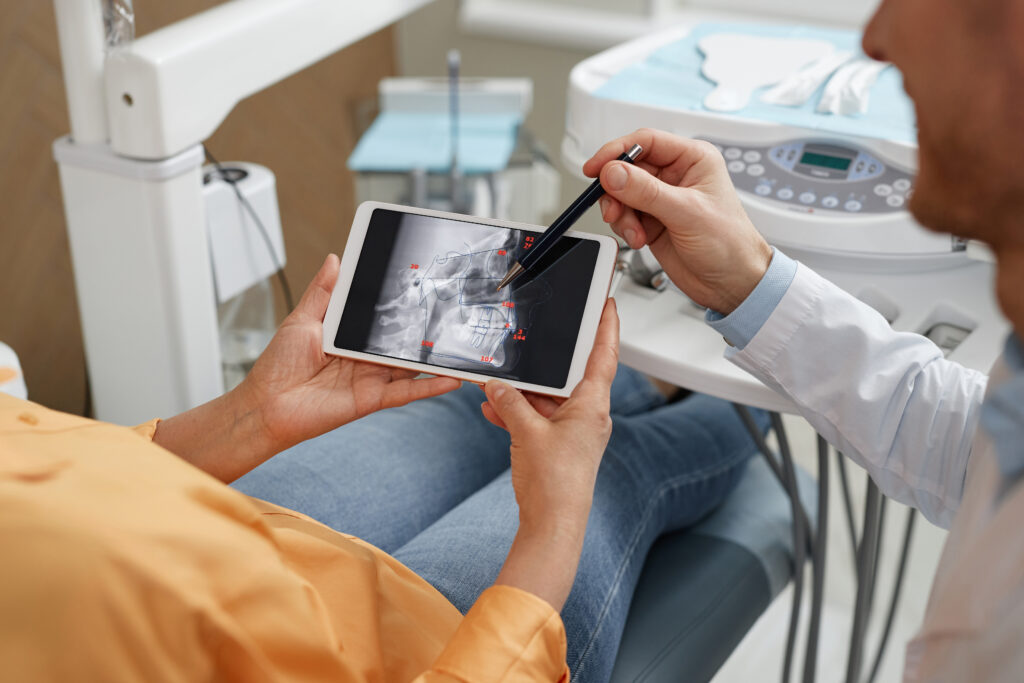
A prosthodontist brings a level of diagnostic depth that most general practitioners don’t have the training to handle. When a patient comes in with a failing implant, the evaluation goes well beyond a simple visual check. Digital imaging, bite analysis, and a full review of their medical and dental history are all part of the process.
Treating Peri-Implantitis
When peri-implantitis is the culprit, early intervention can sometimes save the implant. Gum disease treatment protocols are adapted for the implant site, including thorough decontamination of the implant surface and, in some cases, bone regeneration procedures to rebuild tissue lost to infection. The goal is to eliminate the infection, restore the surrounding structure, and stabilize the implant before further damage occurs.
Restoring or Replacing the Prosthetic Component
Not every complication involves the implant itself. Crowns, abutments, and other prosthetic components can fracture, loosen, or wear down over time. In these situations, implant restoration may be all that is needed, preserving the implant post while replacing the damaged or failing component above it. This is a common and often simple solution that many patients are relieved to learn about.
When Removal and Replacement Are Necessary
In cases where the implant cannot be saved, removal does not have to mean permanent tooth loss. After the site has healed, bone grafting may be recommended to rebuild the jaw structure, followed by the placement of a new implant. Depending on the extent of the damage and the number of teeth affected, full mouth restorations may also be explored to comprehensively address the bite, function, and esthetics.
Advanced Prosthodontics and Implants Esthetics Can Help You Move Forward
Dr. Binns completed his surgical prosthodontic training through the Nova Southeastern University School of Dental Medicine and the University of Illinois at Chicago. Dr. Aquino is a maxillofacial prosthodontist who trained at the Michael E. DeBakey VA Medical Center in Houston and continuously integrates digital technology to deliver the most precise and comfortable care possible. Together, they offer a level of restorative depth rarely found under one roof in a single practice.
If you are dealing with a dental implant that is failing or has already failed and aren’t sure where to turn, our team is here to help you get answers. Contact our office today to schedule a consultation and learn what options may be available in your situation.