You did it. You made it through one of the most comprehensive dental journeys available, and you now have a fully restored smile that looks, feels, and functions like it should. But full mouth reconstruction is not a finish line — it's a foundation, and how you care for your new smile will determine how long it thrives.
Advanced Prosthodontics & Implant Esthetics Blog
Summer is one of the most popular times for people to finally commit to long-postponed dental treatment. With a slower schedule, planned time off, and a natural window for recovery, the season has become a practical choice for patients considering dental implants, full mouth reconstruction, and other major prosthodontic procedures. The short answer is yes, summer can absolutely be the right time, but the better question is whether you have the right team guiding you through it.

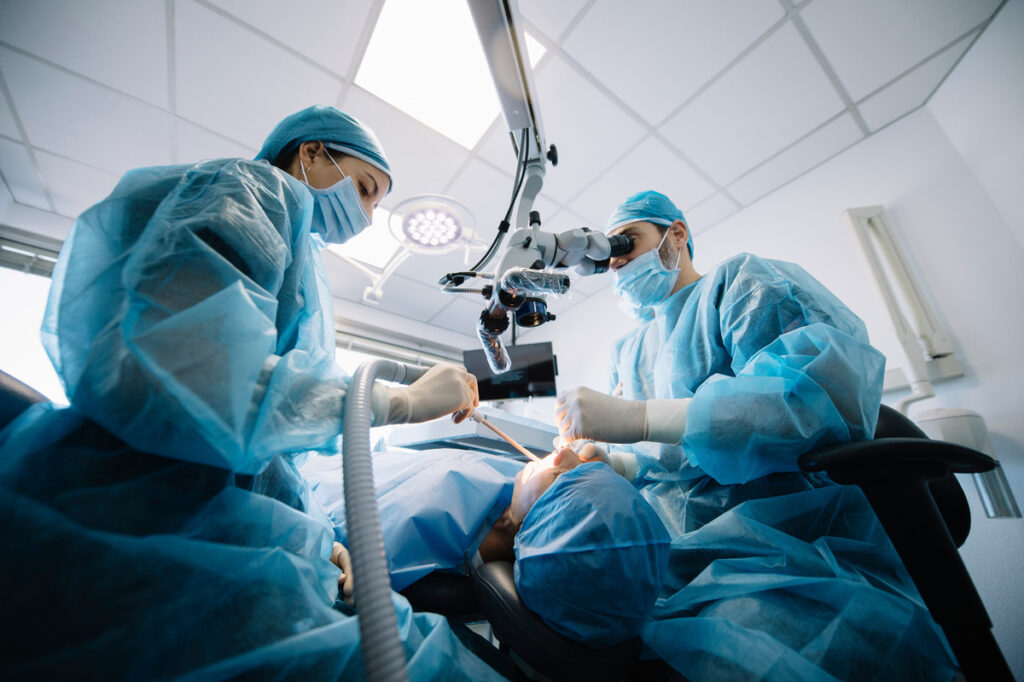
Behind every successful dental implant in a complex case, there is almost always more than one clinician involved. When a patient is missing multiple teeth, has experienced bone loss, or needs full-arch reconstruction, placing an implant correctly requires two distinct but complementary types of training working in close coordination. Understanding how that collaboration works can help patients feel more confident about what lies ahead when their case calls for a team approach.
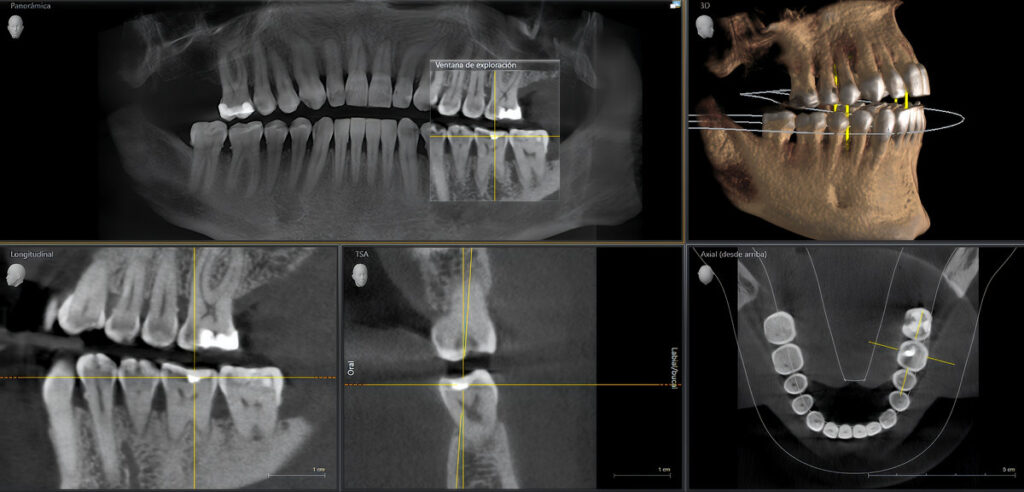
The gap between what you may imagine for your smile and what a prosthodontist can actually deliver has never been smaller. Digital technology has completely transformed how complex restorations are designed, planned, and executed, making treatment more accurate, more comfortable, and far more predictable than ever before.
A failed dental implant can feel like a devastating setback, especially when you've already invested time, money, and hope into restoring your smile. However, what many people don't realize is that implant failure is rarely the end of the road, and there just may be a solution for you around the bend.
Choosing between denture options is one of the most impactful decisions a patient facing tooth loss can make. The differences between hybrid and traditional dentures extend significantly past what sits on the surface of your gums. Whether you have been living with removable dentures for years or are preparing for your first full-arch restoration, knowing what each option fully provides can help you move forward with clarity and confidence.
For decades, metal was the default in restorative dentistry. Amalgam fillings, porcelain-fused-to-metal crowns, and metal-based alloys were the materials patients accepted because there were no stronger alternatives. Today, that has changed. All-ceramic and glass-ceramic materials have not only matched the durability of traditional metal-based restorations in most clinical scenarios but have surpassed them in biocompatibility, esthetic performance, and long-term patient satisfaction.
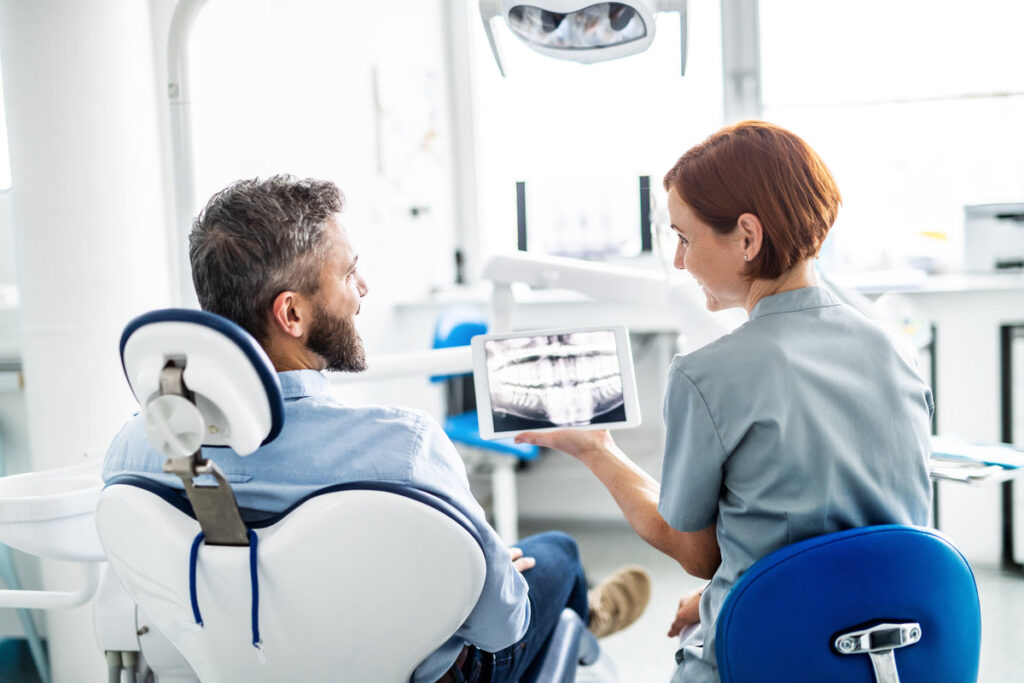
Sitting down with a prosthodontist for the first time can feel unfamiliar, especially if you have spent years receiving routine care at a general dental practice. The experience is different in scope, in depth, and in what happens before anyone suggests a single procedure. A prosthodontic consultation is not a cleaning appointment with upsells. It is a comprehensive evaluation of how your entire mouth is functioning, what has gone wrong, and what a realistic path forward looks like.
Most patients who arrive at a prosthodontic practice thinking about full mouth reconstruction are focused on their teeth. What they may not realize is that the jaw joint, the muscles that control it, and the alignment of the bite are just as central to the outcome of any comprehensive treatment as the materials and restorations themselves. Rebuilding a mouth without first understanding the jaw that holds it together is one of the most predictable ways for an otherwise well-executed case to fail over time.