A routine dental checkup can feel like a familiar rhythm: a cleaning, a quick look at your teeth, and a reminder to floss more. It is easy to assume that is the whole story, but one of the most important parts of that visit often takes minutes and rarely comes up afterward. An oral cancer screening is a simple visual and physical exam built into your regular appointment, designed to catch changes in your mouth and throat long before they become serious.
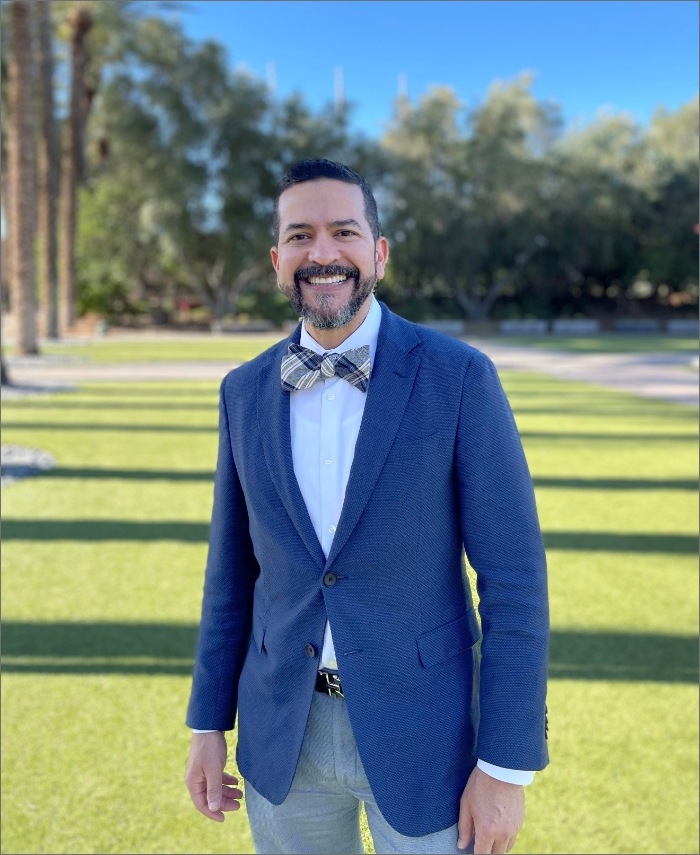
At Advanced Prosthodontics and Implants Esthetics, we treat this screening as a standard part of every checkup rather than an optional add-on. Dr. Aquino, an oral oncologist and maxillofacial prosthodontist who trained at the Michael E. DeBakey VA Medical Center in Houston after attending the UCLA School of Dentistry, brings specialized insight to this exam that goes beyond what most general dental visits offer. His background in oral oncology means he is trained to recognize the earliest signs of abnormal tissue, and he continues completing education courses to stay current on detection methods and digital technology in this field.
What Happens During an Oral Cancer Screening?
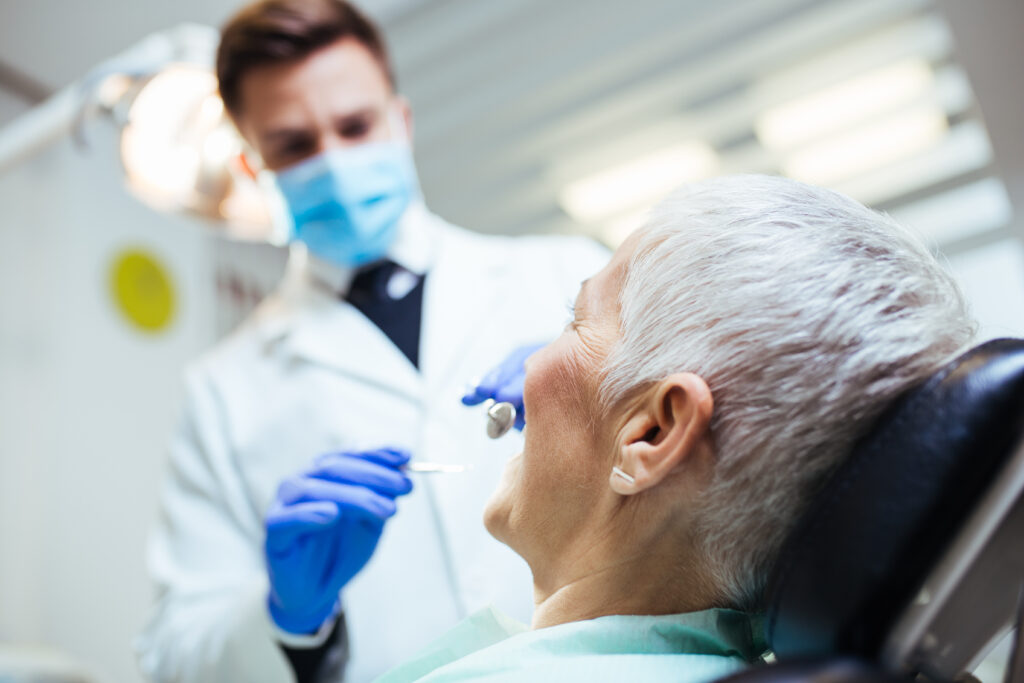
An oral cancer screening is quick, painless, and requires no special preparation. We examine the inside of your mouth, tongue, floor of your mouth, gums, and the soft tissues of your throat, feeling for lumps or abnormalities while looking for discoloration, unhealed sores, or unusual patches of tissue.
The exam typically takes only a few minutes and happens alongside your regular cleaning and checkup. Most patients do not notice anything different about the visit itself, because the screening is woven into the exam Dr. Aquino or Dr. Binns already performs. What makes it valuable is not how it feels but what it can catch, since many early warning signs of oral cancer are painless and easy to overlook without a trained eye examining the tissue closely.
Why Early Detection Matters
Oral cancer tends to progress quietly. A sore that lingers for a few weeks or a rough patch on the tongue rarely feels alarming enough to prompt a doctor’s visit on its own, which is part of why routine screenings matter so much.
According to data from the National Institute of Dental and Craniofacial Research, the 5-year age-adjusted incidence rate of oral cavity and pharynx cancer rises sharply with age, climbing from 26.8 cases per 100,000 among adults 50 to 64 to 47.0 cases per 100,000 among those 65 and older. That increase underscores why consistent screenings become even more important as patients get older, rather than something to consider only once symptoms appear.
Catching abnormal tissue early generally means simpler treatment and a better long-term outcome. When we identify changes in their earliest stages, treatment can often be less invasive than if the same changes went unnoticed for months. This is part of why we do not treat this exam as a formality. It is a genuine opportunity to protect your health using information we already have access to during a visit you are making anyway.
Who Should Pay Closer Attention
Certain habits and health factors make consistent screening more important. We encourage extra attention if any of the following apply to you:
- Tobacco use of any kind, including smokeless tobacco
- Frequent or heavy alcohol consumption
- A history of HPV exposure
- Prolonged sun exposure affecting the lips
- A personal or family history of oral or throat cancer
None of these factors mean a screening will find something concerning, but they do mean the exam carries extra value for you specifically. We factor your personal risk profile into how closely we examine certain areas, which is one reason a thorough patient history matters as much as the physical exam itself.
What We Look for During an Oral Cancer Screening Beyond Visual Signs
Beyond a purely visual exam, we also rely on touch, checking the neck and jaw for swollen lymph nodes or areas of firmness that would not be visible otherwise. Combining a visual inspection with palpation gives a more complete picture than either method alone, as some changes are easier to feel than to see, particularly in the early stages before tissue color or texture has shifted noticeably.
We also take note of any patient-reported symptoms during your visit, including persistent hoarseness, difficulty swallowing, or numbness anywhere in the mouth or face. These details, paired with the physical exam, help us decide whether further evaluation is warranted. If something does look worth a closer look, we discuss next steps directly with you rather than leaving you with an ambiguous note to interpret on your own.
Making Oral Cancer Screenings Part of Your Regular Visits
The best time to have an oral cancer screening is during a visit you are already scheduling for a cleaning or checkup, as there is no separate appointment required and no added discomfort involved. If it has been longer than six months since your last visit, or if you have never specifically asked about this exam during a checkup, it is worth bringing up directly at your next appointment.
We also recommend it as part of care around other procedures, since patients coming in for dental implants or exploring options like full mouth reconstruction benefit from a full picture of their oral health before any major treatment planning begins. Bilingual care is also available throughout your visit, since our team speaks Spanish and wants every patient to feel fully informed about what we are checking and why.
Advanced Prosthodontics and Implants Esthetics Is Here for Your Whole Smile
Whether you are due for a routine cleaning or have specific concerns about a change you have noticed in your mouth, we want you to feel confident that your care goes beyond surface-level checkups. Dr. Binns, a surgical prosthodontist trained through the Nova Southeastern University School of Dental Medicine and the University of Illinois at Chicago, and Dr. Aquino work together to bring both cosmetic expertise and oncologic training to every visit, so nothing about your oral health gets overlooked.
If you have questions about oral cancer screenings or want to schedule your next visit, our team is ready to help you feel comfortable every step of the way. You can reach out through our contact form to get started, and we look forward to making your care as thorough and reassuring as possible.