The Data Behind Modern Prosthodontic Care
Tooth loss affects millions of Americans, yet many people do not realize how closely their oral health is tied to their overall well-being. Decisions about replacing missing teeth or pursuing complex restorations carry real consequences, from chewing function and nutrition to confidence and long-term health outcomes. Understanding the research behind prosthodontic treatment can help you make informed choices about your care.
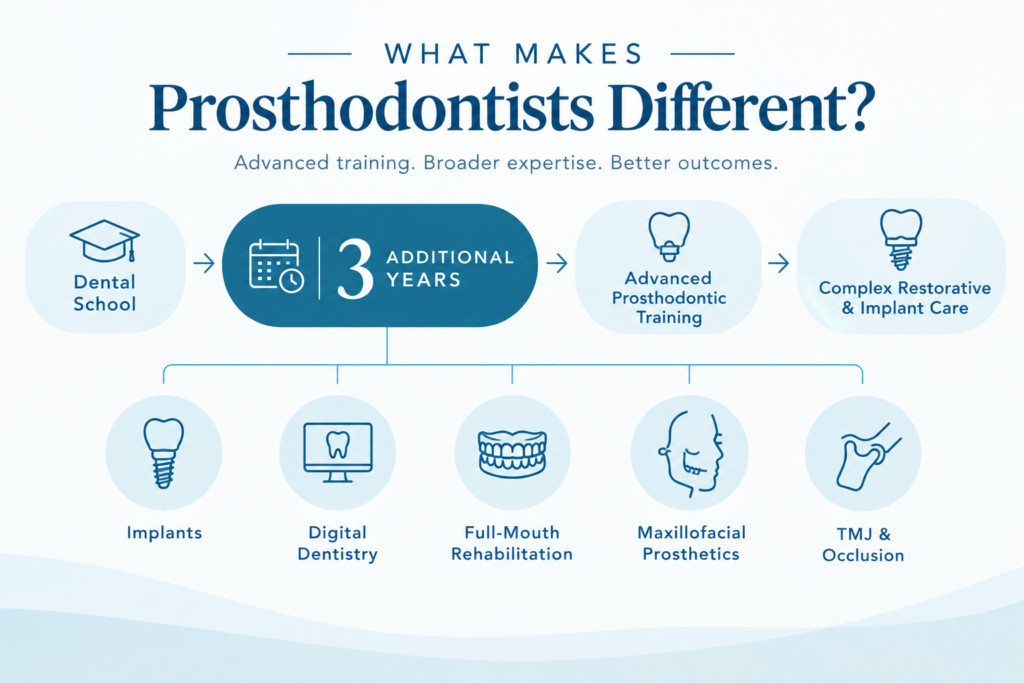
At Advanced Prosthodontics and Implant Esthetics in Naples, Florida, we believe an informed patient is an empowered one. Dr. Randold Binns, a surgical prosthodontist trained through Nova Southeastern University School of Dental Medicine and the University of Illinois at Chicago, and Dr. Eugenio Aquino, an oral oncologist and maxillofacial prosthodontist trained at the UCLA School of Dentistry, bring advanced academic preparation to every case they treat. Our prosthodontist team draws on evidence-based research to guide every recommendation we make.
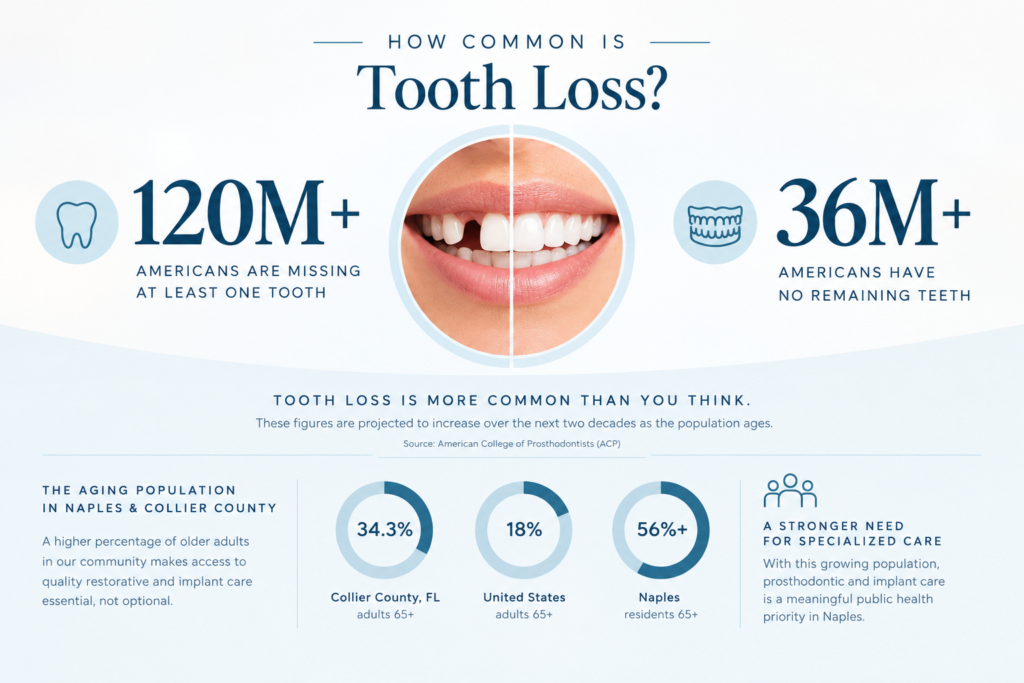 Tooth loss is far more widespread than many patients expect. According to the American College of Prosthodontists, more than 36 million Americans have no remaining teeth, and approximately 120 million people in the U.S. are missing at least one tooth. These figures are projected to increase over the next two decades as the population ages.
The CDC reports that approximately 13.2% of adults age 65 and older experience complete tooth loss. This figure matters especially for residents of the Naples area. According to 2024 estimates, about 142,800 Collier County residents are aged 65 and older, representing 34.3% of the county’s total population, a rate nearly double the national average of 18%. In Naples specifically, adults aged 65 and older make up more than 56% of the city’s population, with a median age of 67.6 years. For a community with this profile, access to high-quality restorative and
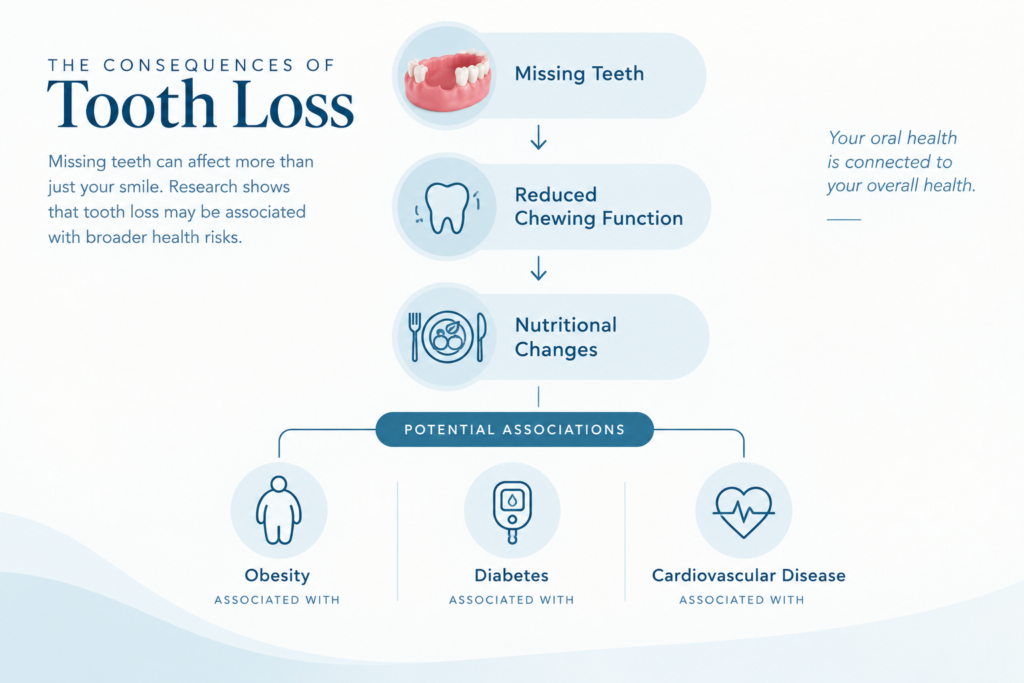 Tooth loss carries consequences well beyond appearance. The ACP notes that missing teeth may lead to significant nutritional changes and associations with conditions such as obesity, diabetes, and cardiovascular disease. Addressing missing teeth proactively with the right specialist can support your overall health, not just your smile.