Dental Bridges in Naples, FL
Live with a Complete Smile Again
Missing teeth affect more than your appearance. Gaps change your bite alignment, shift adjacent teeth out of position, and make chewing difficult, and the longer a gap remains, the more surrounding teeth shift and the jawbone weakens. According to the CDC’s National Center for Health Statistics, 13.2% of adults aged 65 and older have experienced complete tooth loss.
At Advanced Prosthodontics and Implants Esthetics, Dr. Randold Binns and Dr. Eugenio Aquino create custom dental bridges in Naples, FL for patients who need reliable tooth replacement. Our practice has served Southwest Florida for 40 years, and we provide treatment in English and Spanish. Learn more about our prosthodontic services.
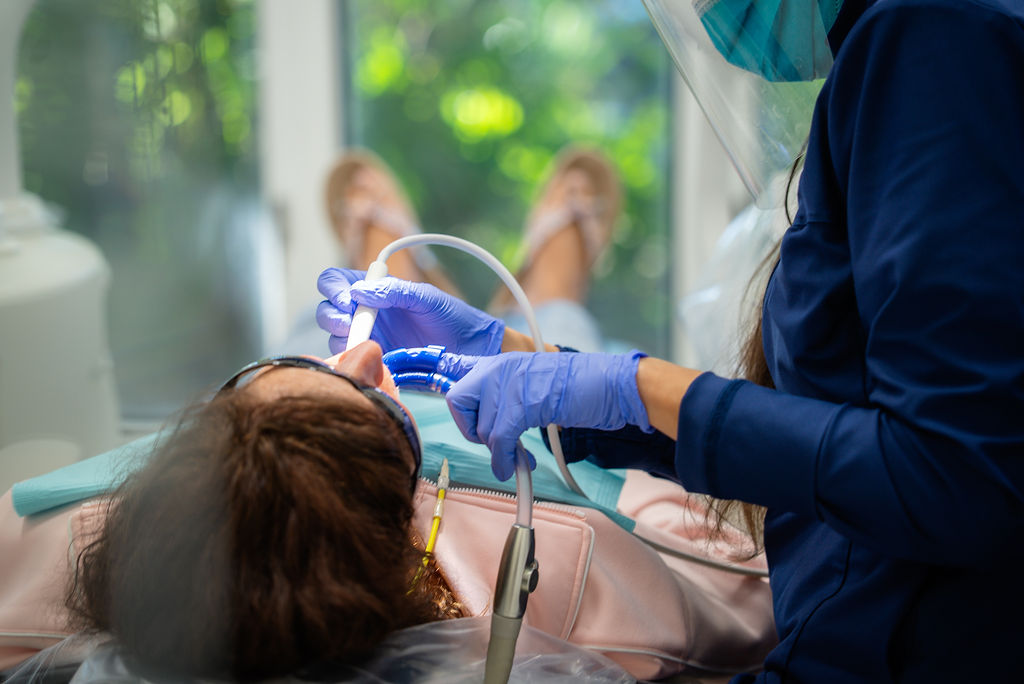
Why Choose Advanced Prosthodontics & Implant Esthetics for Dental Bridges?
- Led by Two Accomplished Prosthodontists
- Dental Implant Bridges Available
- In-House Master Dental Ceramist

How Dental Bridges Work
A dental bridge is a fixed restoration that closes the gap left by one or more missing teeth. The teeth on either side of the gap, called abutment teeth, serve as anchors. We place dental crowns on them, with one or more artificial teeth, called pontics, suspended between them. The entire piece bonds together as a single unit. Unlike removable partial dentures, bridges stay fixed in place and require the same daily care as natural teeth.
Leaving a gap untreated causes problems that compound over time. According to the National Institute of Dental and Craniofacial Research, tooth loss is widespread among U.S. adults and linked to lasting oral health consequences. Within the first few months, bone in the area begins to resorb, adjacent teeth shift toward the gap, and opposing teeth may erupt further from the jaw, disrupting your bite. If you are considering your options for replacing missing teeth, acting sooner protects more of your remaining structure.
Research from the National Institutes of Health indicates that dental bridges supported by natural teeth have annual survival rates exceeding 96%, with many restorations lasting well over a decade when patients maintain excellent oral hygiene and attend regular dental checkups.

Types of Dental Bridges
We offer several bridge options, and we evaluate each case individually to recommend the restoration that fits your anatomy, function goals, and preferences.
- Traditional bridges use crowns on the abutment teeth on either side of the gap, supporting one or more pontics between them. This approach works well when you have healthy natural teeth on both sides of the missing space and remains the most common type of bridge.
- Cantilever bridges attach to abutment teeth on only one side of the gap. We use this design when only one adjacent tooth is available for crown placement, which requires careful planning to ensure the restoration handles normal chewing forces without stressing the anchor tooth.
- Maryland bridges, also called resin-bonded bridges, attach a pontic to adjacent teeth using a metal or porcelain framework bonded to the backs of the anchor teeth. This option is less invasive than traditional bridges because it requires minimal removal of tooth structure and is commonly used for front teeth with lighter bite forces.
- Implant-supported bridges use implants rather than natural teeth as anchors. When several teeth are missing in a row, placing an implant at each end of the gap closes the space without involving healthy adjacent teeth, preserving their structure and providing the strongest foundation available.
Modern bridges use materials selected for both durability and appearance. Porcelain provides the most natural look and works well for front teeth, porcelain fused to metal adds strength for higher-stress areas, and all-ceramic options offer durability without any metal. We tailor every choice to your placement location, chewing forces, and personal preferences as part of our broader restorative dentistry care.
Our Prosthodontic Approach to Bridge Design
Our prosthodontists completed three years of advanced training beyond dental school focused exclusively on tooth replacement and restoration. This background shapes how we plan bridge treatment, from material selection to the way we prepare anchor teeth. We evaluate bite forces, jaw movement, tooth position, and how the surrounding dentition will interact with the new restoration.
These considerations determine the bridge design, the materials we select, and how we prepare the abutment teeth. For patients with more extensive tooth loss, we also coordinate full mouth restoration plans that combine bridges with other restorations. Dr. Binns is known throughout Southwest Florida for results with both technical precision and natural appearance.
Bridge Placement: What to Expect
Creating a bridge typically takes two appointments. At your first visit, we prepare the abutment teeth by reshaping them to receive crowns and take detailed impressions of the area. You will wear a temporary bridge between appointments to protect the prepared teeth and maintain normal function. Once your permanent bridge is ready, we check the fit, adjust the bite as needed, and permanently cement it in place.
With proper care, bridges typically last 10 to 15 years or longer, and regular visits allow us to monitor the restoration and catch any concerns early.
Making Bridge Treatment Accessible
Quality dental bridges are an investment in your oral health, and our practice works to make prosthodontic care accessible for patients throughout Southwest Florida. We partner with three healthcare financing companies to offer flexible payment options: CareCredit, Cherry, and Proceed each offer different plan structures to fit various credit profiles, with financing available up to $70,000 through Proceed for more comprehensive treatment plans.
We operate as a fee-for-service practice and process benefits on behalf of all PPO providers, filing claims to help you receive maximum coverage. Most PPO plans provide out-of-network benefits, and our team will help you understand how your plan applies.
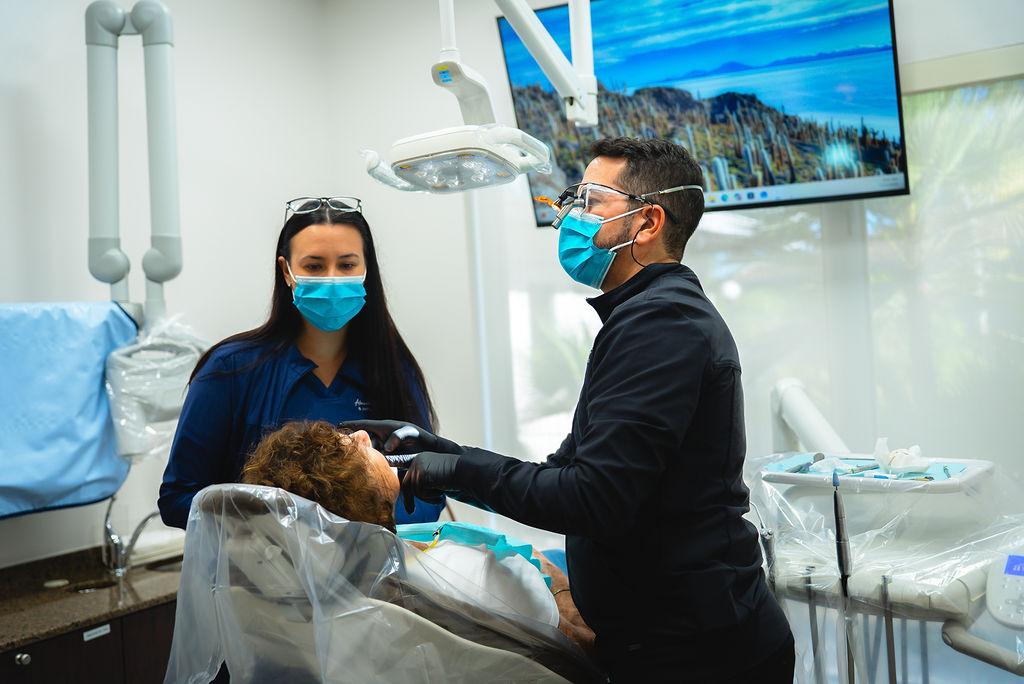
Schedule Your Bridge Consultation with Advanced Prosthodontics and Implants Esthetics
Missing teeth create problems that worsen the longer they go untreated. If you have gaps in your smile or teeth that are failing, dental bridges in Naples, FL may be the right solution. Our team brings advanced prosthodontic training together with individualized patient care, in English and Spanish.
Dr. Binns and Dr. Eugenio Aquino have served Southwest Florida for 40 years, and our in-house master dental ceramist crafts your restoration with precision at every stage. Whether you need a traditional bridge, a Maryland bridge, or an implant-supported solution, we build your treatment plan around your anatomy and goals. Contact us today to schedule your consultation.
Maintaining Your Dental Bridge
Proper care significantly extends the life of your bridge while protecting your remaining natural teeth. Brush twice daily with a soft-bristled toothbrush, paying special attention to the areas where your bridge meets your gums. Floss threaders or specialized interdental brushes help you clean beneath the artificial tooth, preventing bacteria buildup that could compromise the supporting teeth.
Regular checkups allow us to monitor your bridge, check the health of supporting teeth, and provide professional cleaning to areas you cannot reach at home. Avoiding extremely hard or sticky foods helps prevent damage, as does wearing a nightguard if you tend to grind your teeth during sleep.
Is a Bridge Right for You?
A dental bridge is a strong solution for many patients, but the right fit depends on your overall oral health and goals. During your consultation, we evaluate factors such as the following:
- Number of missing teeth: Bridges work well for one tooth or a short span of consecutive missing teeth.
- Condition of adjacent teeth: Healthy neighboring teeth serve as strong, reliable abutments for a traditional bridge.
- Bone density: Patients with adequate jawbone volume may also be candidates for an implant-supported bridge.
- Overall oral health: Conditions like gum disease should be treated before placing any fixed restoration.
- Personal goals: Budget, timeline, and long-term preferences all factor into which approach is the best fit for you.
Patients who are not candidates for a bridge may find that dental implants, dentures, or a full mouth restoration is a better path forward, and we walk through every option with you.
Frequently Asked Questions
What is a dental bridge?
A dental bridge is a fixed restoration used to replace one or more missing teeth by anchoring an artificial tooth (or teeth) to the natural teeth or implants on either side of the gap. The supporting teeth, called abutments, are prepared to hold dental crowns, which are connected to the false tooth in the middle (called a pontic). The result is a seamless, natural-looking replacement that restores function and aesthetics.
How long does a dental bridge last?
With proper care, a dental bridge can last 10 to 15 years or longer. The longevity depends on the material used, the health of the supporting teeth, and your oral hygiene habits. Implant-supported bridges tend to last longer because they are not reliant on natural teeth that may be subject to decay or wear over time.
How much does a dental bridge cost in Naples, FL?
The cost of a dental bridge in Naples varies depending on the number of missing teeth, the materials used, and the type of bridge. A traditional three-unit bridge (replacing one tooth) typically ranges from $2,500 to $5,000. Implant-supported bridges cost more due to the implant component. Dental insurance may cover a portion of the cost for medically necessary bridges.
Is a dental bridge or a dental implant better?
Both options effectively replace missing teeth, but they differ in important ways. Bridges are typically faster and less invasive, requiring no surgery. Implants preserve jawbone density and do not require altering adjacent teeth, making them a more conservative long-term solution. The better choice depends on your bone health, the condition of neighboring teeth, your timeline, and your budget. A consultation with a prosthodontist can help you determine the right option.
How do I care for a dental bridge?
Bridges require careful cleaning underneath the pontic, where bacteria and food can accumulate. A floss threader, interdental brush, or water flosser are helpful tools for cleaning beneath the bridge daily. Regular brushing, routine dental cleanings, and avoiding habits like chewing ice or hard foods will help protect the bridge and the supporting teeth.
Can a dental bridge be placed in one day?
In most cases, a dental bridge requires at least two appointments. The first visit involves preparing the abutment teeth, taking impressions, and placing a temporary bridge. The final bridge is fabricated in a dental laboratory and placed at the second appointment. Some practices with in-office CAD/CAM technology may be able to complete certain bridge types in a single day.
Let Our Patients
Tell Our Story
More to Explore
VISIT US IN NAPLES
Experience personalized care from Southwest Florida’s leading prosthodontic specialists. Our state-of-the-art facility is equipped with the latest digital technology to ensure precise, comfortable treatment.
✓ Complimentary consultations for dental implants and full-mouth reconstruction
✓ Flexible financing options with payments as low as $150/month
✓ Convenient location in the heart of Naples with ample parking
Book Your Appointment Today
Don’t wait to take control of your oral health. Schedule your implant consultation at Advanced Prosthodontics & Implant Esthetics. Our bilingual practice serves both English and Spanish-speaking patients throughout Southwest Florida.